0
0

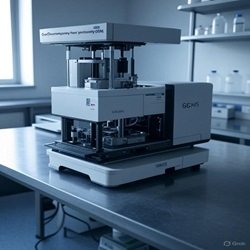
Gas Chromatography–Mass Spectrometry (GC/MS) is a powerful analytical technique that combines the separation capability of gas chromatography (GC) with the detection and identification power of mass spectrometry (MS). It is widely regarded as a gold standard method for analyzing volatile and semi-volatile organic compounds in complex mixtures across environmental, pharmaceutical, forensic, food safety, and petrochemical industries.
Principle
Gas Chromatography (GC): Separates compounds based on volatility and interaction with the column’s stationary phase.
Mass Spectrometry (MS): Detects separated compounds by ionizing them, fragmenting the molecules, and measuring the mass-to-charge ratio (m/z) of resulting ions. Each compound generates a unique mass spectrum, enabling precise identification.
Key Advantages
High sensitivity and specificity for trace-level detection.
Structural elucidation of unknown compounds via mass spectra.
Quantitative and qualitative analysis in a single run.
Broad applications from environmental pollutants to drug metabolites.
Applications
Environmental monitoring: Detecting pesticides, herbicides, and volatile pollutants in water, soil, and air.
Pharmaceutical analysis: Studying drug purity, metabolites, and pharmacokinetics.
Forensic science: Identifying drugs, toxins, and explosives in criminal investigations.
Food safety: Screening flavor compounds, additives, and contaminants.
Petrochemicals: Analyzing hydrocarbons and fuel compositions.
GC/MS is essential for high-accuracy qualitative and quantitative analysis, providing unmatched reliability for both research and regulatory testing

Online Payment
Sent to Email
Secure and reliable laboratory testing services, fast turnaround.