0
0

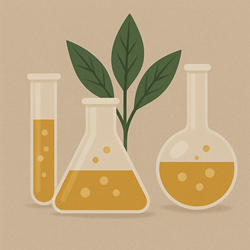
Phytochemical analysis is a laboratory technique used to identify and quantify bioactive compounds present in plants, such as alkaloids, flavonoids, tannins, saponins, phenols, terpenoids, and glycosides. This analysis is crucial in pharmacognosy, herbal medicine, food science, and natural product research, providing insights into the medicinal properties, nutritional value, and antioxidant potential of plant materials.
Phytochemical screening can be performed using qualitative methods (colorimetric and precipitation tests) for detecting compound classes, and quantitative methods (spectrophotometry, chromatography, HPLC, GC-MS) for precise measurement. These techniques help in drug discovery, nutritional profiling, and quality control of herbal products.
Applications include:
Pharmaceutical research: Identifying plant-derived compounds with therapeutic potential.
Food and nutraceutical industries: Assessing natural antioxidants and functional ingredients.
Agricultural biotechnology: Screening crops for beneficial phytochemicals.
Environmental and ethnobotanical studies: Exploring medicinal plants used in traditional medicine.
Phytochemical analysis is widely recognized for its role in natural drug development, safety assessment, and functional food innovation, bridging traditional knowledge with modern science.

Online Payment
Sent to Email
Secure and reliable laboratory testing services, fast turnaround.