0
0

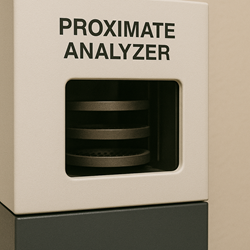
Proximate analysis is a fundamental analytical method used to determine the basic composition of fuels, biomass, and solid materials. It provides essential data on moisture content, volatile matter, fixed carbon, and ash content, which are critical for assessing combustion behavior, energy potential, and material quality.
The procedure involves a series of controlled heating steps to quantify each component:
Moisture Content: Determines the amount of water present in the sample.
Volatile Matter: Measures gases released upon heating in the absence of oxygen, indicating combustibility.
Ash Content: Represents the non-combustible mineral residue after burning.
Fixed Carbon: Calculated by difference, representing the solid combustible portion.
Applications include:
Energy and fuel evaluation: Characterizing coal, biomass, and waste for power generation.
Industrial quality control: Assessing raw materials for cement, steel, and metallurgical industries.
Environmental studies: Understanding ash generation and pollutant emissions from combustion.
Research and development: Optimizing renewable energy sources and fuel formulations.
Proximate analysis is widely used due to its simplicity, speed, and compliance with ASTM and ISO standards, often complemented by ultimate (CHNS) analysis for complete elemental profiling.

Online Payment
Sent to Email
Secure and reliable laboratory testing services, fast turnaround.