0
0

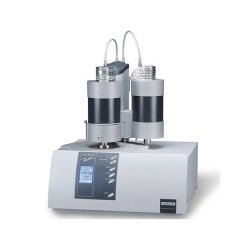
TGA of the biomass residues was performed using a TG analyzer (TGA-Q500 series, TA instruments) at standard pressure. The sample was first dried to constant weight at 103°C to remove all moisture present then pulverized and silver to 50microns size prior to the analysis. About 10.0 mg of each sample was placed in platinum crucibles in the furnace chamber of the TGA and heated linearly at a given heating rates, (5, 10, 15, 20, 25, or 30 °C/min) from ambient room temperature to 950 °C. Nitrogen gas was opened and allowed to flow throughout the chamber of the furnace at a flow rate of 30 mL/min. This was used to purge the system and also provided the inert atmosphere for the experiments. The Thermogravimetric analysis then produced a curve, that shows the effect of temperature (or time), presented on the x axis, on the weight of the sample (the y axis). The weight is usually expressed in terms of the percentage of the sample that remains, versus the weight at the start of the experiment, at a given temperature/time. The results also include a second y axis on the graph which presents the data for the first derivative of the TGA curve. This is known as the Derivative Thermogravimetric Analysis (DTA) curve and represents the rate of change of mass with respect to temperature. The DTA curve often allows for easier visual interpretation of the data, as periods of large mass change can be seen with more clarity.

Online Payment
Receive your result via Email, Hard Copy, or Dispatch.
Secure and reliable laboratory testing services, fast turnaround.