0
0

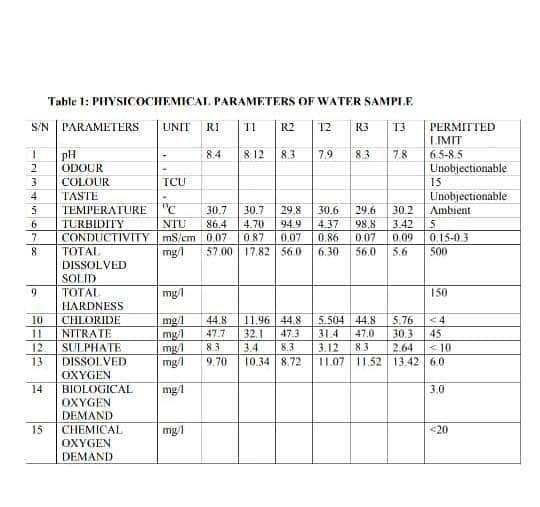
Understanding the chemical and physical properties of water, wastewater, and soil is crucial for environmental monitoring, public health, and industrial quality control. This guide covers key parameters and laboratory tests used worldwide to evaluate water quality, detect pollution, and ensure compliance with environmental standards.
We explore essential physico-chemical indicators such as electrical conductivity, turbidity, pH, total dissolved solids (TDS), total hardness (EDTA method), total alkalinity, and total acidity—all critical in determining water usability for drinking, irrigation, and industrial applications.
For microbiological and organic contamination, parameters like total coliform count, residual chlorine, free carbon dioxide, biochemical oxygen demand (BOD), and chemical oxygen demand (COD) are analyzed to assess sanitation levels and pollution load in wastewater and natural water bodies.
Nutrient analysis includes nitrogen, nitrate, nitrite, total phosphate, sulphate, silica, and chloride, which are vital for understanding fertility, eutrophication potential, and groundwater contamination. Heavy metals and toxic compounds such as chromium, phenol, detergents, oil/grease, total petroleum hydrocarbons (TPH), BTEX (Benzene, Toluene, Ethylbenzene, Xylenes), and polyaromatic hydrocarbons (PAHs) are tested to detect industrial discharges and petroleum-related pollution.
This description also covers carbonate and bicarbonate balance in soil and water, crucial for buffering capacity and agricultural suitability.

Online & Pay on Delivery options for your convenience.
Receive your result via Email, Hard Copy, or Dispatch.
Secure and reliable laboratory testing services, fast turnaround.