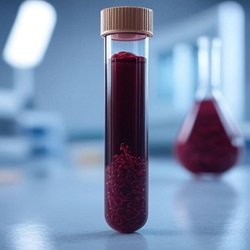
The Clotting Time test measures the duration required for whole blood to form a clot under controlled conditions. It provides a basic assessment of the coagulation cascade and is useful for detecting severe clotting abnormalities, such as hemophilia or advanced liver disease. While largely replaced by more specific tests like PT and APTT, Clotting Time may still be used in certain clinical or emergency settings where rapid screening of coagulation status is needed.
Sample Collection Information
Volume Required: 2g
Nature of Sample: Fecal, Urine, Sputum, Powder, Liquid
Do not eat or drink anything except water for 8–12 hours before your sample collection.
Avoid alcohol and fatty foods 24 hours before your sample collection.
🔹 Urine & Stool Tests
Collect the sample in a sterile container.
Avoid taking antibiotics or medications unless advised by your doctor.
Drink plenty of water before a urine sample collection for easier collection.
🔹 Pregnancy Test (Urine or Blood hCG Test)
A morning urine sample is preferred for the most accurate results.
For blood sample, no fasting is required.
🔹 Liver & Kidney Function Tests
Avoid alcohol and high-protein foods 12–24 hours before your sample collection.
Stay hydrated and avoid excessive exercise before the your sample collection.
🔹 ECG & CardiacTests
Avoid caffeine or energy drinks at least 3 hours before your sample collection.
Wear loose, comfortable clothing for easy placement of electrodes.
🔹 X-Ray & Imaging Tests
Remove any metallic items (jewelry, belts, etc.) before your sample collection.
Inform the radiologist if you are pregnant or suspect pregnancy.
🔹Sample Transportation
Samples are to be transported in a triple package format:
 0
0