
Bilirubin (Total, Direct, Indirect) Sample Type: Serum
By Allschoolabs
• Published on August 5, 2025
3 views
Category: Medical
- Last updated: August 5, 2025
Bilirubin (Total, Direct, Indirect) – Serum Test
Overview
Bilirubin is a yellow pigment formed during the breakdown of hemoglobin in red blood cells. It is processed by the liver and excreted through bile. Measuring bilirubin levels helps evaluate liver function, red blood cell turnover, and bile duct integrity. The test includes three components:
Total Bilirubin: The sum of both direct and indirect bilirubin.
Direct Bilirubin (Conjugated): Water-soluble, processed by the liver.
Indirect Bilirubin (Unconjugated): Fat-soluble, not yet processed by the liver.
Purpose of the Test
This test is used to:
Evaluate jaundice (yellowing of skin/eyes)
Diagnose and monitor liver diseases (hepatitis, cirrhosis)
Detect bile duct obstructions
Investigate hemolytic anemia
Monitor neonatal jaundice in newborns
Sample Type
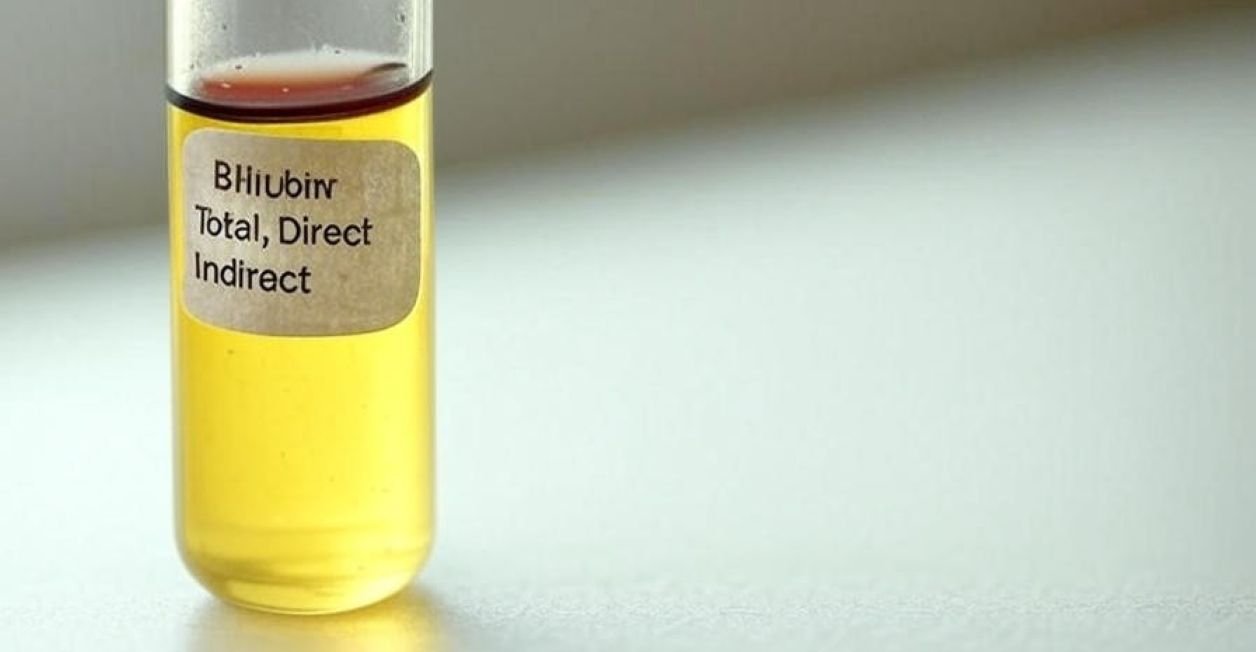
Serum: A blood sample is drawn, allowed to clot, and the serum is separated for analysis.
Preparation: Fasting may be recommended for accurate results.
Normal Reference Ranges (may vary slightly by lab):
Total Bilirubin: 0.3 – 1.2 mg/dL
Direct Bilirubin: 0.1 – 0.3 mg/dL
Indirect Bilirubin: Calculated as Total – Direct
What Elevated Levels May Indicate
High Indirect Bilirubin:
Hemolytic anemia
Gilbert’s syndrome
Crigler-Najjar syndrome
Newborn jaundice
High Direct Bilirubin:
Hepatitis
Bile duct obstruction (e.g., gallstones, tumors)
Liver damage or cirrhosis
Symptoms Prompting the Test
Yellow skin or eyes (jaundice)
Dark urine
Pale stools
Fatigue or weakness
Abdominal pain (especially near the liver)
Clinical Use
Differentiates cause of jaundice (pre-hepatic, hepatic, or post-hepatic)
Monitors liver health over time in chronic liver conditions
Assists in diagnosing metabolic or genetic conditions involving bilirubin metabolism
Conclusion
The Bilirubin (Total, Direct, Indirect) test provides essential insight into liver function, red blood cell breakdown, and bile duct health. It plays a key role in diagnosing liver disease, hemolysis, and jaundice-related conditions. Serum is the preferred sample type for accurate analysis.