
3 views
Category: Medical
- Last updated: August 5, 2025
Bilirubin (Total) – Serum Test
Overview
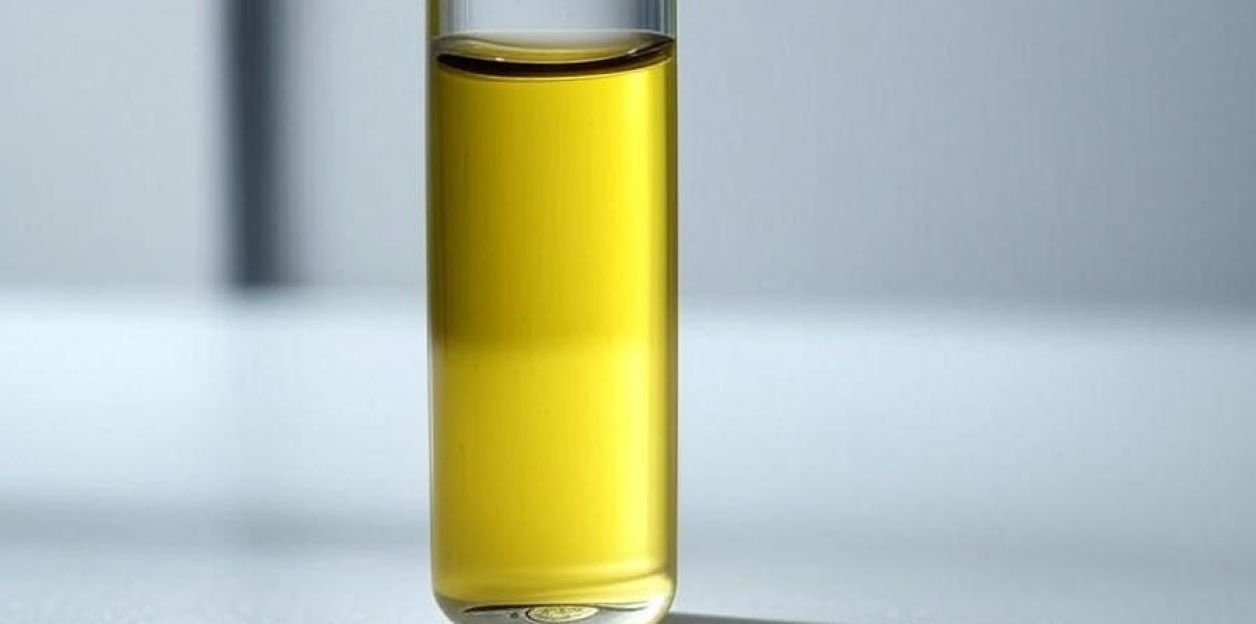
Bilirubin (Total) is a blood test used to measure the total amount of bilirubin in the bloodstream. Bilirubin is a yellowish pigment produced during the normal breakdown of red blood cells. It travels through the liver, where it is conjugated (processed), and then excreted in bile. This test helps evaluate liver function, detect liver diseases, and monitor conditions like jaundice, hemolytic anemia, and bile duct obstructions.
Clinical Significance
The total bilirubin value includes both:
Unconjugated (indirect) bilirubin: Not yet processed by the liver.
Conjugated (direct) bilirubin: Already processed by the liver and ready for excretion.
Measuring the total level helps:
Diagnose and monitor liver diseases (e.g., hepatitis, cirrhosis).
Detect biliary tract obstruction (e.g., gallstones, tumors).
Identify hemolytic anemia or excessive breakdown of red blood cells.
Evaluate neonatal jaundice in newborns.
Normal Reference Range
Adults: 0.3 – 1.2 mg/dL (varies slightly by lab)
Higher levels may suggest liver dysfunction, bile duct blockage, or increased RBC destruction.
Sample Type
Serum: Blood is collected, and the serum (the fluid part without cells or clotting proteins) is analyzed.
Preparation: Fasting may be required. Avoid strenuous exercise before the test.
Causes of Elevated Total Bilirubin
Liver conditions:
Hepatitis
Cirrhosis
Liver tumors
Biliary obstruction:
Gallstones
Tumors
Inflammation
Hemolysis:
Hemolytic anemia
Transfusion reactions
Genetic conditions:
Gilbert’s syndrome
Crigler-Najjar syndrome
Symptoms Leading to Testing
Yellowing of skin or eyes (jaundice)
Dark urine
Pale stools
Fatigue
Abdominal pain (especially upper right quadrant)
Limitations
The test does not specify the exact cause of elevated bilirubin—further tests (like liver enzymes, direct/indirect bilirubin split, imaging) are often required.
Conclusion
A Total Bilirubin test is a vital diagnostic tool to assess liver health, detect jaundice causes, and monitor ongoing liver conditions. It is especially important in newborns and individuals with suspected liver dysfunction or hemolysis.