
Beta HCG (PREGNANCY TEST) QUANTITATIVE Sample Type: Serum
By Allschoolabs
• Published on August 5, 2025
3 views
Category: Medical
- Last updated: August 5, 2025
Beta-hCG (Quantitative Pregnancy Test)
Sample Type: Serum
Also Known As: Quantitative hCG, β-hCG, Serum hCG, hCG beta subunit test
Overview:
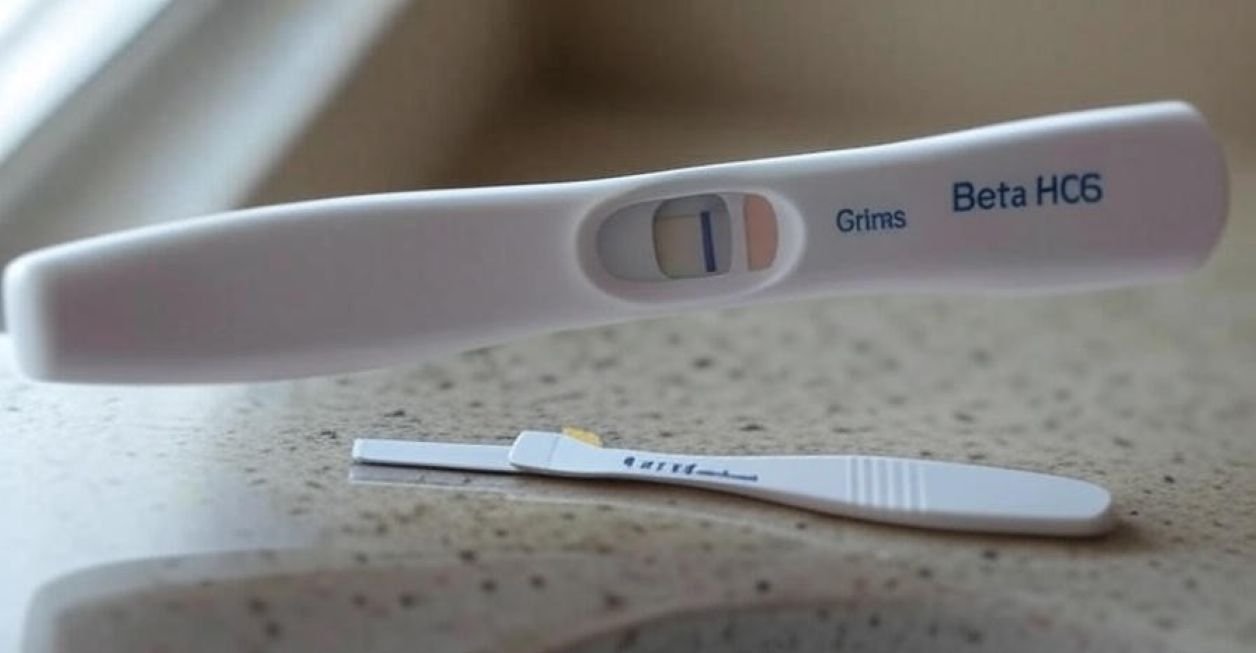
The Beta-hCG Quantitative test measures the exact amount of human chorionic gonadotropin (hCG) hormone in the blood. hCG is a hormone produced primarily by the placenta shortly after a fertilized egg attaches to the uterine lining. Its presence and level in blood or urine are the earliest indicators of pregnancy.
This test is more sensitive and precise than the qualitative hCG test, which only detects if hCG is present or not.
Purpose of the Test:
The quantitative beta-hCG test is used to:
Confirm pregnancy early (as soon as 6–8 days after conception)
Estimate gestational age
Monitor pregnancy progression (especially in early weeks)
Detect ectopic pregnancies
Evaluate suspected miscarriage or pregnancy failure
Monitor hCG levels after miscarriage or abortion
Assess and monitor certain cancers, including:
Gestational trophoblastic disease
Choriocarcinoma
Testicular tumors
Ovarian germ cell tumors
Sample Collection:
Type: Serum (blood sample)
Method: Blood is drawn from a vein, usually in the arm
Preparation: No fasting required
Interpretation of Results:
hCG levels are reported in mIU/mL (milli-international units per milliliter), and values increase rapidly in early pregnancy:
Typical hCG Levels by Weeks of Pregnancy:
0–1 week: 5–50 mIU/mL
1–2 weeks: 50–500 mIU/mL
2–3 weeks: 100–5,000 mIU/mL
3–4 weeks: 500–10,000 mIU/mL
4–5 weeks: 1,000–50,000 mIU/mL
5–6 weeks: 10,000–100,000 mIU/mL
6–8 weeks: 15,000–200,000 mIU/mL
2nd trimester: 10,000–50,000 mIU/mL
Note: hCG levels vary widely; one value alone cannot confirm pregnancy health—serial measurements are often needed.
High hCG Levels May Indicate:
Multiple pregnancies (e.g., twins, triplets)
Molar pregnancy
Gestational trophoblastic disease
Certain tumors or cancers
Wrong gestational dating
Low or Slow-Rising hCG Levels May Indicate:
Ectopic pregnancy
Threatened or incomplete miscarriage
Blighted ovum
Nonviable pregnancy
Clinical Importance:
Helps in early detection and monitoring of pregnancy.
Useful in emergency situations (e.g., pelvic pain or bleeding).
Essential in monitoring treatment response after miscarriage, abortion, or tumor removal.
Conclusion:
The Quantitative Beta-hCG test is a vital tool in confirming and managing pregnancy, especially in its early stages. It offers detailed insight into the pregnancy’s progression and can alert clinicians to complications like ectopic pregnancy or pregnancy loss, as well as hCG-secreting tumors.