
Understanding Cholesterol Test Results

By Allschoolabs
• Published on April 20, 2026
article-image
0 views
Category: Medical
  • Last updated: April 20, 2026

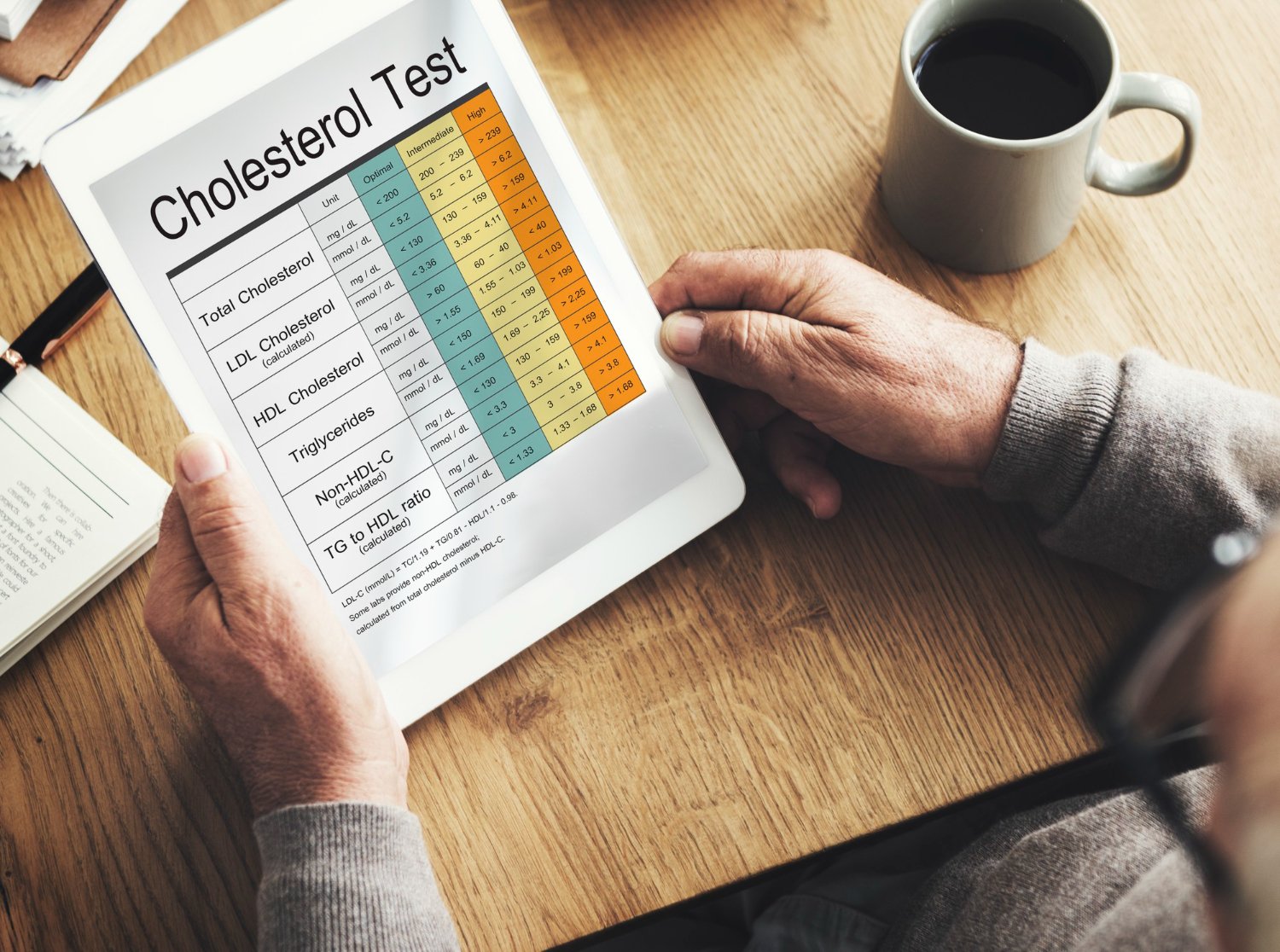
Understanding your cholesterol test results doesn’t have to feel complicated. These numbers simply show how your body is handling fats in the blood and what that means for your heart health. Cholesterol itself isn’t bad, your body actually needs it. The issue comes when the balance is off.

Your results usually include LDL, HDL, triglycerides, and total cholesterol. LDL is known as “bad” cholesterol because high levels can lead to buildup in your arteries, making it harder for blood to flow properly. Over time, this increases the risk of heart disease. HDL, on the other hand, is the “good” cholesterol. It helps remove excess cholesterol from the blood, so higher levels of it are a good sign.

Triglycerides are another type of fat in your blood. When they are too high, especially alongside high LDL or low HDL, they can increase the risk of heart problems. This is often linked to diet, inactivity, or excess sugar intake. Total cholesterol combines all these values, but it doesn’t tell the full story on its own, which is why each part matters.

What makes cholesterol tricky is that it usually has no symptoms. You could feel completely fine while your levels are quietly rising. That’s why testing is important, it helps you catch issues early before they become serious.

The good part is that cholesterol levels can often be improved. Eating better, staying active, and maintaining a healthy lifestyle can make a real difference. And when necessary, medical treatment can help keep things under control.

At the end of the day, your cholesterol results are not something to panic over. They are simply a guide, helping you understand your health and make better choices before problems start.

Understanding your cholesterol test results doesn’t have to feel complicated. These numbers simply show how your body is handling fats in the blood and what that means for your heart health. Cholesterol itself isn’t bad, your body actually needs it. The issue comes when the balance is off. Your results usually include LDL, HDL, triglycerides, and total cholesterol. LDL is known as “bad” cholesterol because high levels can lead to buildup in your arteries, making it harder for blood to flow properly. Over time, this increases the risk of heart disease. HDL, on the other hand, is the “good” cholesterol. It helps remove excess cholesterol from the blood, so higher levels of it are a good sign. Triglycerides are another type of fat in your blood. When they are too high, especially alongside high LDL or low HDL, they can increase the risk of heart problems. This is often linked to diet, inactivity, or excess sugar intake. Total cholesterol combines all these values, but it doesn’t tell the full story on its own, which is why each part matters. What makes cholesterol tricky is that it usually has no symptoms. You could feel completely fine while your levels are quietly rising. That’s why testing is important, it helps you catch issues early before they become serious. The good part is that cholesterol levels can often be improved. Eating better, staying active, and maintaining a healthy lifestyle can make a real difference. And when necessary, medical treatment can help keep things under control. At the end of the day, your cholesterol results are not something to panic over. They are simply a guide, helping you understand your health and make better choices before problems start.