
Blood Picture (Peripheral Blood Smear Analysis)
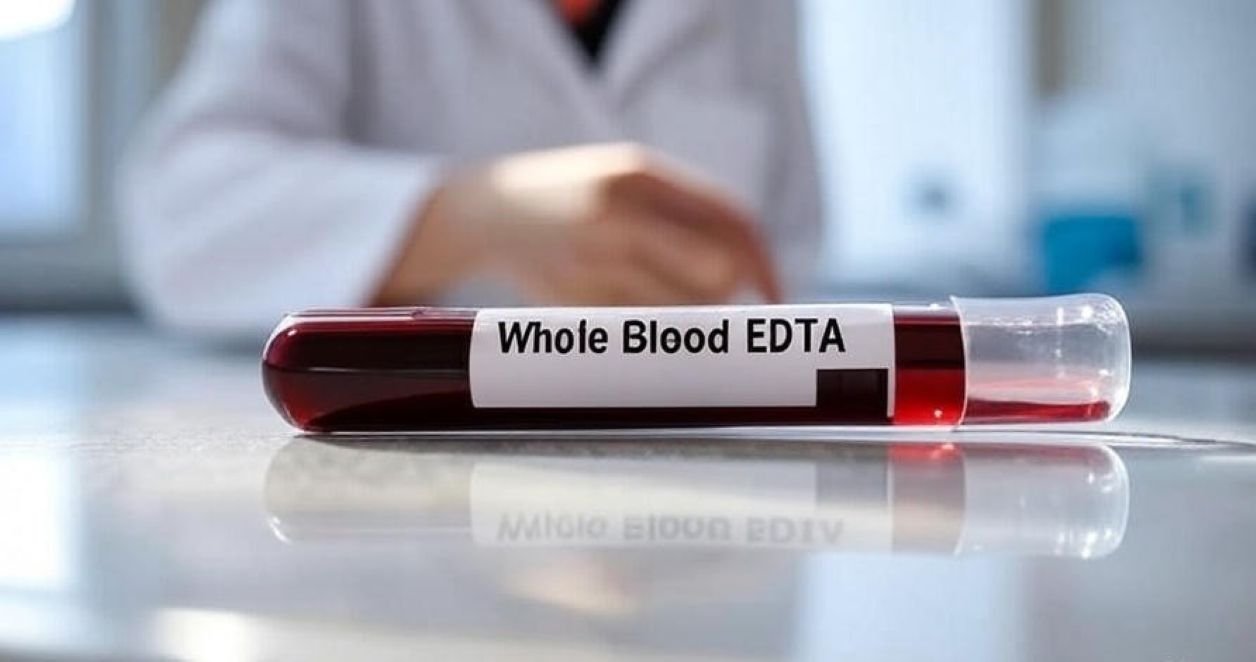
Sample Type: Whole Blood (EDTA)
Overview
The Blood Picture, also known as Peripheral Blood Smear (PBS) or Blood Film, is a hematological test that provides a detailed examination of the different blood cells under a microscope. It helps assess the morphology (shape, size, and appearance) of red blood cells (RBCs), white blood cells (WBCs), and platelets. This test is often used in conjunction with a complete blood count (CBC) to investigate abnormalities in blood cell populations.
Purpose of the Test
A blood picture is primarily used to:
Diagnose various anemias, infections, and hematological malignancies
Identify abnormal cell types (e.g., blasts, schistocytes, spherocytes)
Monitor bone marrow disorders or leukemias
Detect parasitic infections, such as malaria
Evaluate causes of unexplained fatigue, bleeding, or inflammation
Sample Collection
Sample Type: Whole blood collected in an EDTA anticoagulant tube (lavender-top tube)
Proper smear preparation and staining (usually Wright’s, Giemsa, or Leishman stain) are essential for accurate interpretation.
Components Evaluated
Red Blood Cells (RBCs)
Size (microcytic, macrocytic, normocytic)
Shape (poikilocytosis)
Color (hypochromic, normochromic)
Presence of abnormal forms (target cells, sickle cells, spherocytes, schistocytes)
White Blood Cells (WBCs)
Count and differential (neutrophils, lymphocytes, monocytes, eosinophils, basophils)
Morphology (to detect atypical lymphocytes or immature cells like blasts)
Platelets
Estimate of platelet number (adequate, increased, decreased)
Size and clumping
Clinical Significance
Anemia types: Iron deficiency (microcytic, hypochromic), megaloblastic (macrocytic), hemolytic anemia (schistocytes, spherocytes)
Infections: Elevated neutrophils or lymphocytes; malaria parasites visible inside RBCs
Leukemias: Presence of immature or abnormal WBCs (e.g., myeloblasts, lymphoblasts)
Thrombocytopenia: Reduced platelet count, giant platelets in some syndromes
Bone marrow failure: Pancytopenia, abnormal precursors
Advantages
Quick and cost-effective
Visual confirmation of CBC findings
Essential in emergency or resource-limited settings
Limitations
Requires skilled laboratory personnel for interpretation
May miss subtle abnormalities without automated support
Not diagnostic on its own – must be correlated with clinical and other laboratory data
Conclusion
The Blood Picture is a valuable diagnostic tool that provides a wealth of information about blood cell morphology and can reveal early signs of serious conditions like leukemia, anemia, and infections. Despite the availability of automated analyzers, microscopic examination of the peripheral blood smear remains crucial for comprehensive hematological assessment.